Samsung Galaxy XR Review: 1 Year In, Is It Worth $1,799?
It’s been an entire year since the first Android XR device entered the market in the form of the Samsung Galaxy XR. With new form factors and competitors entering the market every few months, from other Android XR devices like the XReal Aura and Samsung’s own Smart Glasses to competitors like Meta VR Glasses, is the Galaxy XR worth your money in 2026? Let’s dive into our full Samsung Galaxy XR Review to find out.

Design & Comfort: Rough and Rigid
When I first saw the Samsung Galaxy XR, I couldn’t help but notice how pretty a device it is. They seemed to match the look of the Apple Vision Pro, but with their own little Samsung twist. If only they thought to take that same level of detail and apply it to the actual comfort of the device.
Samsung made the biggest blunder I have ever seen in an XR device: a rigid, non-detachable strap. The Galaxy XR has a built-in, plastic strap that goes around your head similar to a hat. For those of you familiar with Meta Quest devices, it fits similarly to an Elite strap. However, other than tightness, there are ZERO adjustment points. The only customization that is built in is the tightness of the strap, removable forehead cushions, and removable light blockers (which I will give credit to Samsung on; the light blockers are effective, lightweight, and comfortable).
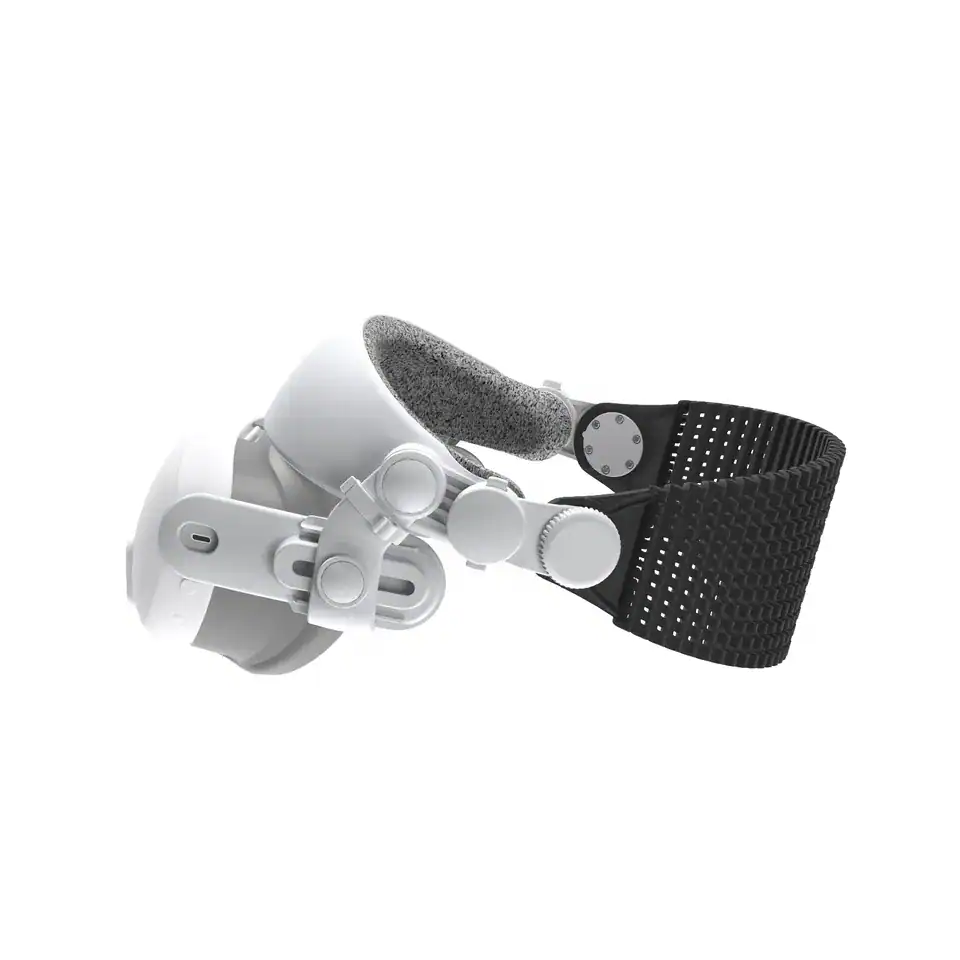
Due to the lack of built in adjustment, and the decision to make it so you can’t remove the default strap, has made it so people have had to get real creative to make this thing comfortable. The Globular Cluster comfort mod becomes an absolute essential pickup because of this; the included top strap is the only thing that I found to take the weight of the headset off of your cheekbones, as the built-in strap requires a tight fit to ensure the device doesn’t slip when in use.
The Visual Experience: Second Only to Vision Pro
While I have a lot to say about the comfort of the headset, that is fixable with an accessory. The screen and lens combo is what makes or breaks an XR device, and Samsung and Google nailed it here. While I still wouldn’t say it’s on par with the incredible visuals offered by the Vision Pro, the Samsung Galaxy XR is also only half the price. The display and lens combo gets 90% of the way there to Vision Pro, and in optimal lighting conditions, I’d be hard-pressed to care about the 10% difference when enjoying movies on this thing. It’s an absolute slam dunk in the visual department.
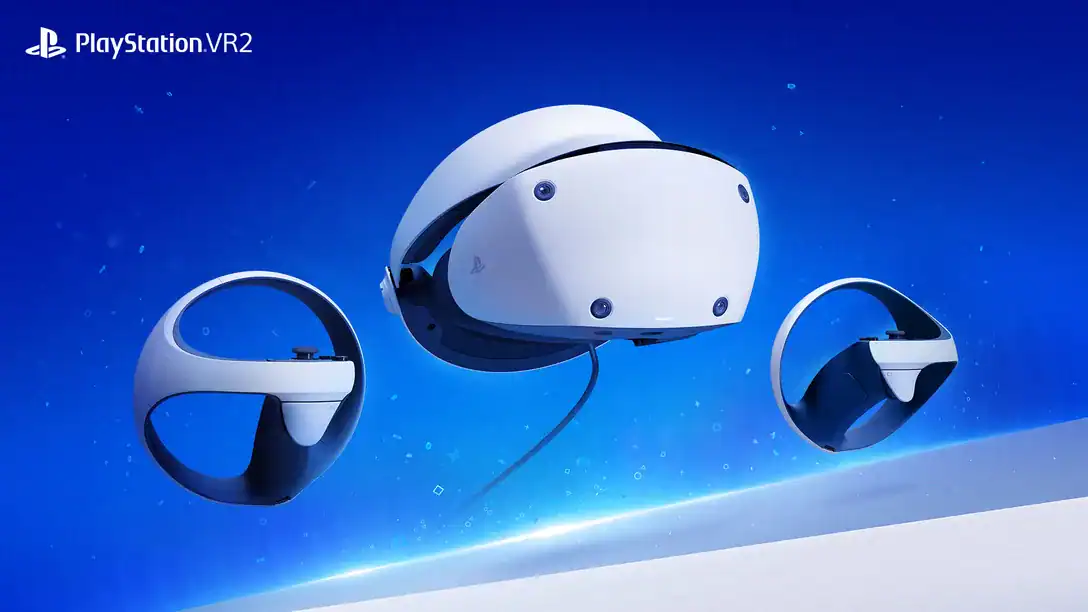
Due to the smaller footprint of the lenses over, say, the Meta Quest 3, the Galaxy XR surprisingly does have a sweet spot. I would not say the lenses have edge-to-edge clarity, but it’s a far larger sweet spot than the older Fresnel lens headsets like the Meta Quest 3S or PSVR2, making it relatively easy to find and stay in that visual sweet spot once you dial in how the device fits on you best. That said, I would say the FOV feels larger on the Quest 3 because of the smaller lenses here.
Once you are in that sweet spot, the display is not only great for movies; the text clarity is also incredible. I did not struggle even a bit to work on the website, write reviews, and even deal with spreadsheets on the Galaxy XR. If you are interested in Spatial Computing and want to use an XR device for productivity, you can absolutely achieve that here. More on that in the section below.

Core Features & Connectivity: How It Actually Works
I’m at such odds about the core ecosystem that is Android XR. On the one hand, it finally solves one of the biggest complaints of Meta Quest: native Android apps. The full Play Store on an XR device is a major win for productivity. However, I can’t get excited about 2D, floating window apps. I want XR experiences in my $1,799 XR headset, and that’s the exact area Android XR is currently lacking.
Say what you will about Meta, and while their plans aren’t always immediately apparent, they do invest in their XR ecosystem. Android XR has seen exactly 3 updates since I got the device in February, and each of them has made the experience worse. From breaking features, hand tracking inconsistencies, and buggy deployments, I have not been impressed with the software experience here. On top of that, I have not seen a single high-profile app release this year. The library looks exactly as barren as when I first got the headset, which is a shame. I want to love this device, so much of it is good, but the core experience being a mixed experience with no real software support doesn’t bode well for the future of Android XR. Especially considering how fast Google likes to abandon projects.
That said, we can’t leave out the killer feature: Gemini. Whatever your opinion of AI is, you can’t deny the usefulness of Gemini having full access to what you see in XR. From your open windows to what you see in your home, you can call on Gemini to use it to assist in any way you normally use AI, no copy and paste required.
Pros and Cons
The Verdict: Is the Galaxy XR Right for You?
I have to be honest, I would not recommend the Galaxy XR for most people right now. For PCVR purists, the Pimax Crystal Super or Meta Quest 3 are far superior options due to the poor controller tracking. For productivity users, while the Android ecosystem and Gemini are nice touches, the comfort gets in the way of long sessions, making the Quest 3 the superior option. This really only leaves the movie and TV crowd, who would be far better waiting for Meta VR Glasses for similar comfort reasons I outlined above, or XR and AI enthusiasists.
I feel the only market currently being served by the Samsung Galaxy XR is those of us that love XR and want to see what a high-end, all-in-one headset looks like at half the price point of Vision Pro. The only other user I can see being excited about this would be AI super users who want AI incorporated directly into their workflow on a device level. For both of those groups, this device is great, but I fear for Samsung and Google that there aren’t enough of us out there to support a device like this long term.
Here’s to hoping the XReal Aura brings more to the Android XR ecosystem to help redeem the Galaxy XR, because it is a good device; it just currently doesn’t have a worthwhile use case.
Where to Buy
You can buy the Galaxy XR directly from Samsung via the link below.
Still unsure what VR headset is right for you? Make sure to check out our VR Headset Comparison Guide!